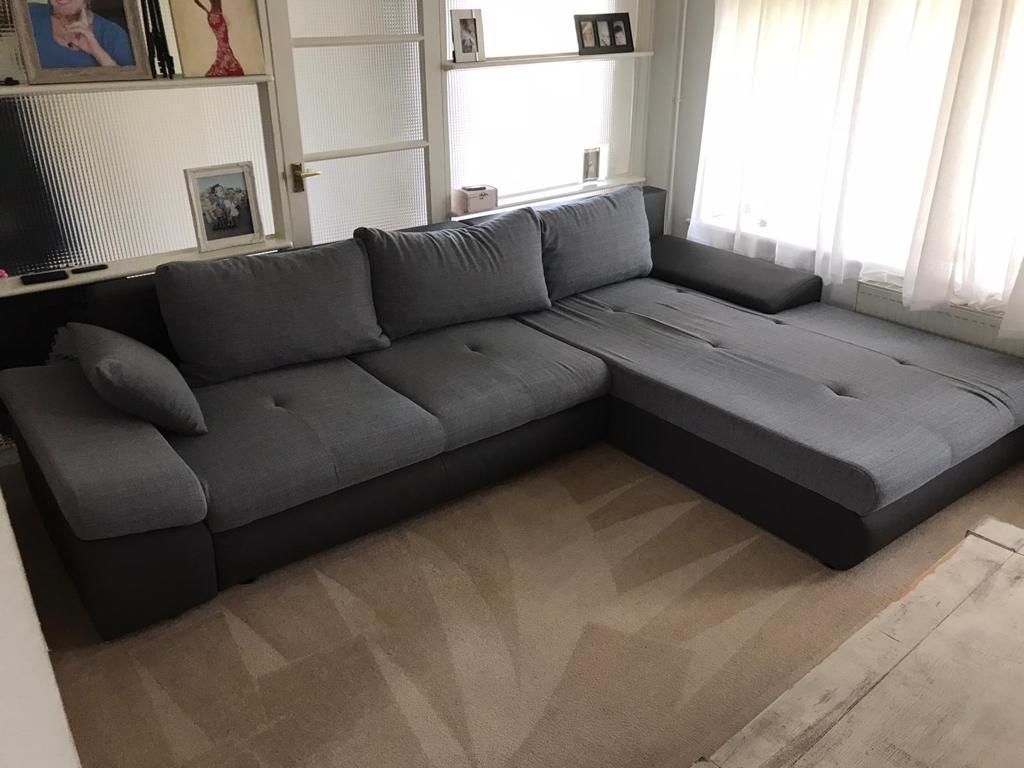
Understanding Why Carpets Become Heavily Soiled
Carpets rarely become heavily soiled because of one incident. Their appearance usually changes gradually as everyday dirt, fine dust, outdoor residue and spillages accumulate within the fibres. Regular vacuuming removes loose surface debris, but it cannot always extract the material that has become embedded deeper in the carpet.
For households in Abbots Langley, Hertfordshire, professional carpet cleaning can provide a more thorough solution when routine maintenance no longer produces a noticeable improvement.
Why Vacuuming May No Longer Be Enough
Vacuuming is essential for controlling dry soil, hair and surface dust. However, some contaminants attach themselves to carpet fibres or settle near the base of the pile.
Common examples include:
- Fine soil carried indoors on footwear
- Oily residue transferred from feet and paws
- Dried drink and food spillages
- Dust trapped beneath flattened fibres
- Residue left by unsuitable cleaning products
- Dirt concentrated in frequently used walkways
As people continue to walk over the carpet, this material can be pressed further into the pile. The carpet may then look dull or uneven even immediately after vacuuming.
Recognising Heavily Soiled Areas
Heavy soiling is often most visible near doorways, through hallways and in the routes between frequently used rooms. Areas in front of sofas, chairs and beds may also become darker because they receive repeated foot contact.
Signs that a carpet needs more than routine vacuuming can include:
- Dark traffic lanes
- A generally grey or dull appearance
- Fibres that feel sticky or stiff
- Flattened areas that retain visible dirt
- Marks that return shortly after surface cleaning
- Unpleasant or stale odours
- A noticeable contrast beneath moved furniture
- Increasingly visible spots and spillages
These symptoms do not necessarily mean that the carpet needs replacing. In many cases, a suitable professional cleaning process can achieve a substantial improvement.
Avoid Excessive Scrubbing
Aggressive scrubbing is rarely the best way to clean a heavily soiled carpet. It can distort the pile, spread contamination and push staining deeper into the fibres. Vigorous rubbing may also create a visibly worn patch that remains after the mark has been treated.
Spillages should generally be blotted rather than rubbed. For widespread soiling, the whole affected area should be assessed instead of repeatedly treating individual dark patches.
Be Careful with Household Cleaning Products
Using several cleaning products on the same carpet can leave residues that attract further dirt. Products intended for hard flooring, laundry or general household cleaning may also be unsuitable for carpet fibres.
Applying too much solution creates additional problems. If the carpet is not rinsed and dried correctly, detergent can remain within the pile, causing the treated area to become sticky and soil again quickly.
Before professional cleaning, it is helpful to explain which products have previously been used. This allows the technician to choose an appropriate treatment and reduce the risk of incompatible solutions being applied.
How Professional Carpet Cleaning Addresses Heavy Soiling
Professional cleaning follows a structured process designed around the carpet’s material and condition. Rather than concentrating only on visible spots, the aim is to loosen and remove soil throughout the affected area.
The process may include:
- Inspecting the carpet and identifying the fibre type
- Assessing traffic lanes, stains and previous treatments
- Thoroughly vacuuming to remove dry debris
- Applying suitable pre-treatment to heavily soiled sections
- Agitating the fibres where appropriate
- Extracting suspended soil and cleaning residues
- Treating individual marks according to their likely cause
- Grooming the pile to support an even finish
This method is more effective than repeatedly applying a general-purpose product to the darkest areas.
Why Pre-Treatment Is Important
Heavily soiled carpets often contain a mixture of water-based marks, oily residue and compacted dry soil. These contaminants do not all respond to the same treatment.
Pre-treatment helps break the bond between the dirt and the carpet fibres before extraction begins. Extra attention may be given to traffic lanes and other heavily used areas, allowing the main cleaning stage to work more effectively without unnecessary scrubbing.
Can Every Mark Be Removed?
Professional cleaning can significantly improve many heavily soiled carpets, but no responsible cleaner should assume that every mark will disappear completely.
The outcome can be influenced by:
- The carpet’s fibre and construction
- How long the contamination has been present
- Whether a substance has changed the fibre’s colour
- Previous cleaning attempts
- Wear within high-traffic areas
- The condition of the carpet beneath the visible soil
Some dark areas are caused partly by physical wear rather than dirt alone. Once fibres have become abraded or permanently flattened, cleaning can remove contamination but cannot recreate material that has worn away. A professional assessment helps distinguish between soiling, staining and wear.
The Importance of Controlled Drying
Effective carpet cleaning involves removing as much moisture as practical during extraction and supporting steady drying afterwards. Overwetting may lead to prolonged drying, residue movement or marks reappearing from deeper within the carpet.
Ventilation and normal airflow can assist the drying process. The carpet should also be allowed to dry before receiving heavy foot traffic, helping to prevent fresh dirt from being transferred onto damp fibres.
Keeping the Carpet Cleaner Afterwards
Once a heavily soiled carpet has been professionally cleaned, simple maintenance can help preserve the improvement:
- Vacuum regularly, particularly in busy areas
- Use clean entrance mats to reduce tracked-in soil
- Blot spillages promptly
- Avoid applying untested household products
- Move smaller furniture occasionally to vary traffic routes
- Arrange cleaning before heavy soiling becomes established again
Regular care prevents loose soil from becoming deeply compacted and makes future professional cleaning more manageable.
Conclusion
Heavily soiled carpets require more than repeated vacuuming or aggressive spot treatment. Embedded dirt, oily residue and unsuitable cleaning products can all contribute to dark traffic lanes, a dull appearance and fibres that soil again quickly.
A professional process can identify the carpet type, treat concentrated soiling and extract contaminants from deeper within the pile. If your carpets in Abbots Langley are no longer responding to routine cleaning, Abbots Langley Carpet Cleaning can assess their condition and recommend a suitable cleaning approach.
Call us on: 01923 961 694
Click here to find out more about Abbots Langley Carpet Cleaning
Click here to complete our contact form and see how we can help with your carpet needs.